
The cultural significance of casinos in modern society
The evolution of casinos
Casinos have evolved significantly over the decades, transitioning from simple gaming houses to elaborate entertainment complexes that attract millions worldwide. This transformation reflects broader social changes, including the shift towards leisure activities as a key component of modern life. Originally seen as venues for gambling, casinos now integrate shopping, dining, and entertainment, making them multifaceted destinations that cater to diverse audiences. Many players prefer platforms like Jabulabets casino in South Africa for their online gaming needs.
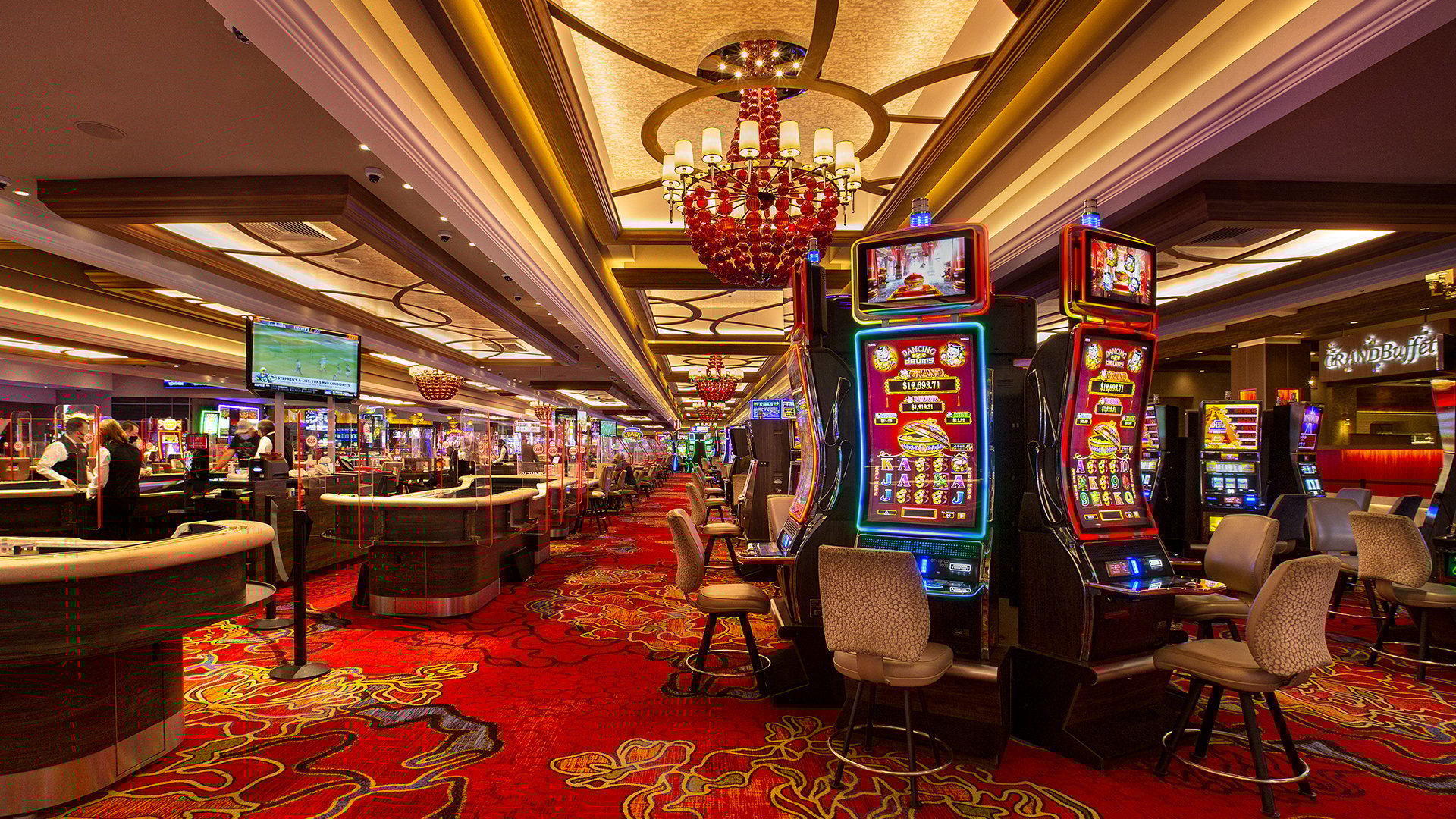
The architectural design of casinos also highlights their cultural significance. With vibrant lights, grand interiors, and thematic elements, they often serve as landmarks in the cities where they are located. This architectural grandeur not only symbolizes wealth and luxury but also represents the cultural aspirations of communities that host them. For example, Las Vegas has become synonymous with extravagant casinos, showcasing how these establishments can shape a city’s identity.
Moreover, the emergence of online casinos reflects the changing landscape of gaming, making it accessible to a broader audience. This shift indicates a cultural acceptance of gambling, transforming it from a taboo subject into a mainstream activity. The integration of technology into gaming enhances user experience, allowing for social interaction and engagement, further solidifying casinos’ role in modern society.
The role of casinos in social interaction
Casinos serve as social hubs where people from various walks of life come together, fostering a sense of community and shared experience. The interaction between players creates a lively atmosphere, encouraging friendships and connections that may not occur elsewhere. This social aspect of casinos is particularly evident during events or tournaments, which can draw large crowds and create a sense of camaraderie among participants.
Additionally, casinos often host concerts, shows, and other forms of entertainment, making them cultural centers within their communities. Such events provide platforms for local talent while enriching the overall visitor experience. As people gather for these activities, casinos become more than just gambling venues; they transform into places where memories are made, and relationships are forged.
The diversity of patrons in casinos also highlights their role in bridging cultural gaps. Visitors from different backgrounds come together to partake in gaming, leading to shared experiences that can enhance cultural understanding. This melting pot of cultures can promote tolerance and acceptance, making casinos significant contributors to societal cohesion.
The economic impact of casinos
Casinos play a crucial economic role in the regions where they operate, generating employment opportunities and stimulating local economies. They create jobs not only within the casino itself but also in associated industries like hospitality and tourism. This ripple effect can significantly bolster local economies, particularly in areas that may struggle with unemployment or economic stagnation.
Tax revenues generated from casinos are often reinvested into community services, infrastructure, and public projects. These funds can lead to improved schools, better healthcare services, and enhanced recreational facilities, benefiting the broader community. For instance, many regions have successfully used casino revenue to address social issues, demonstrating the potential for casinos to contribute positively to society.
The presence of casinos can also attract tourists, who contribute to the local economy through spending on accommodations, dining, and entertainment. As a result, casinos often become key components of tourism strategies, drawing visitors not only for gaming but also for the overall experience. This influx of tourism helps elevate the status of the region, making it more appealing to potential investors and businesses.
Casinos and popular culture
Casinos have a prominent place in popular culture, influencing movies, music, and literature. Films like “Casino” and “Ocean’s Eleven” not only depict the glamour and thrill associated with gambling but also reflect societal attitudes towards risk-taking and fortune. These portrayals help shape public perceptions of casinos, often romanticizing the lifestyle surrounding high-stakes gaming.
Moreover, celebrities frequently visit casinos, further enhancing their allure. Stories of high-profile figures winning big or experiencing dramatic losses serve to captivate public interest, making casinos a subject of fascination. This celebrity culture surrounding casinos contributes to their status as symbols of glamour and excitement, inviting even those who may not gamble to engage with the environment.
In addition, casino-themed events and merchandise continue to permeate various forms of entertainment, showing the pervasive influence of casinos in everyday life. This cultural significance underscores the idea that casinos are not merely places for gambling; they are woven into the fabric of modern society, influencing our dreams, aspirations, and collective imagination.
The future of casinos in society
The future of casinos will likely reflect ongoing changes in technology, culture, and consumer behavior. The rise of online gaming and mobile apps suggests a shift in how people engage with casinos, requiring traditional venues to adapt to remain relevant. This evolution may lead to a hybrid model where physical casinos integrate digital experiences, providing visitors with enhanced gaming options and engagement.
Moreover, as societal views on gambling continue to evolve, casinos may play a pivotal role in promoting responsible gaming practices. Education about the risks of gambling, along with implementing safeguards, can help ensure that casinos contribute positively to society. Such initiatives are essential in maintaining public trust and aligning with the ethical expectations of modern consumers.
Lastly, as casinos increasingly emphasize sustainability and community involvement, their cultural significance will expand. By focusing on eco-friendly practices and supporting local causes, casinos can enhance their reputation as socially responsible entities. This shift will not only help redefine their role in society but also reinforce their position as integral components of the cultural landscape.

Exploring online gaming platforms
With the advent of technology, online gaming platforms have emerged as modern-day alternatives to traditional casinos, offering players an immersive gaming experience from the comfort of their homes. Sites like Jabulabets Casino exemplify this evolution by providing a wide array of games, from slots to live dealer experiences. Such platforms cater to the growing demand for accessibility and convenience, attracting a diverse player base.
Moreover, online casinos often introduce generous promotions and bonuses, enticing new users and encouraging engagement. This not only enhances the user experience but also fosters a sense of community among players through online chats and forums. By replicating the social aspects of traditional casinos, online gaming platforms play an essential role in maintaining the cultural significance of casinos in today’s digital age.
As online gaming continues to rise in popularity, the relationship between traditional casinos and digital platforms will likely evolve. By understanding and integrating the best of both worlds, the future of casinos promises to remain vibrant and culturally relevant, ensuring they continue to hold a significant place in modern society.